
Video
A Reflection for HR & Learning & Development Professionals

Many organizations genuinely want to invest in their people.
Every year, HR and Learning & Development teams work hard to organize training programs, source trainers, manage budgets, coordinate schedules, and encourage employees to learn new skills. The intention is always positive — to help employees improve, grow, and contribute more effectively at work.
Yet after many training sessions, a familiar concern quietly remains:
“Why doesn’t performance seem to improve?”
This is not a criticism of HR or L&D teams. In reality, most organizations are trying their best in a rapidly changing world. Technology is evolving, industries are transforming, employee expectations are shifting, and new skills are emerging faster than ever before.
The challenge today is not whether organizations are conducting training.
The real challenge is whether the training is truly suitable for the people attending it.
This is where a simple but powerful concept called the “5 Why” can help organizations pause, reflect, and think more deeply.
Instead of accepting surface-level answers, the “5 Why” approach encourages us to keep asking “Why?” until we uncover the real root cause behind an issue.
And sometimes, the answers reveal something important.
Training Attendance Does Not Always Mean Learning
Imagine this situation:
An employee attends a training course. The organization spends time and money supporting the learning process. Everyone leaves the session feeling motivated and inspired.
But several months later, work performance remains the same.
Mistakes still happen. Productivity does not improve. Managers become frustrated. Employees themselves may feel discouraged.
The immediate reaction is often:
- “The training wasn’t effective.”
- “Employees are not applying what they learnt.”
- “Maybe they were not interested.”
But if we slow down and ask a deeper question:
Why did performance not improve?
We may discover:
Because the training was not closely related to the employee’s actual work challenges.
This realization is important.
Sometimes employees attend training that sounds impressive but does not truly connect with the realities they face every day at work.
When training feels disconnected from daily responsibilities, employees may struggle to apply what they learnt — not because they are unwilling, but because the learning does not fully fit their environment.
Are We Choosing Training Based on Needs — or Habit?
Many organizations unintentionally select training reactively.
Sometimes training decisions are influenced by:
- Available budgets
- Trending topics
- Vendor recommendations
- Annual calendars
- Compliance requirements
- Last year’s programs
There is nothing wrong with these considerations. However, if organizations do not first understand what employees actually need, even good training programs may fail to create meaningful impact.
This leads to another important question:
Why was the training not relevant?
The answer may be:
Because the organization did not properly identify the real training needs.
This is where HR and L&D professionals have an opportunity to lead more strategically.
Employees today are facing increasing pressures:
- AI and automation
- Digital transformation
- Higher customer expectations
- Faster work environments
- Constant change
Many employees themselves may not even know what skills they are lacking until they encounter difficulties at work.
Training should therefore not only focus on delivering information.
It should help employees solve real problems, build confidence, and prepare for the future.
Employees Want to Grow — But They Need Guidance
Most employees genuinely want to perform well.
They want to contribute.
They want to improve.
They want to feel valuable.
But growth becomes difficult when organizations do not clearly understand the gaps between:
- Current skills
- Future expectations
- Business needs
- Employee capability
This is why skills gap assessments are becoming increasingly important.
Without assessing capabilities, organizations may unknowingly:
- Send the wrong employees for training
- Organize courses that are too basic or too advanced
- Overlook critical future skills
- Miss opportunities to build stronger teams
The workplace today requires far more than technical knowledge alone.
Employees are now expected to demonstrate:
- Adaptability
- Communication
- Critical thinking
- Problem-solving
- AI awareness
- Collaboration
- Emotional intelligence
Training can no longer be a one-size-fits-all activity.
Employees are human beings with different learning needs, experiences, and challenges.
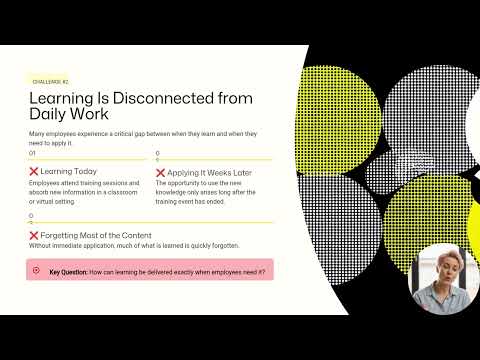
Learning Must Connect to Real Work
One of the biggest frustrations employees experience after training is this:
“I attended the course, but I still don’t know how to apply it in my job.”
This is not always because the employee failed to learn.
Sometimes the workplace itself does not support the learning process.
Managers may not reinforce the new skills.
Work routines may remain unchanged.
Employees may return to old habits simply because there is no opportunity to practice differently.
This reminds organizations of an important truth:
Training alone does not create transformation.
Real learning happens when:
- Managers support development
- Leaders encourage application
- Employees feel safe trying new approaches
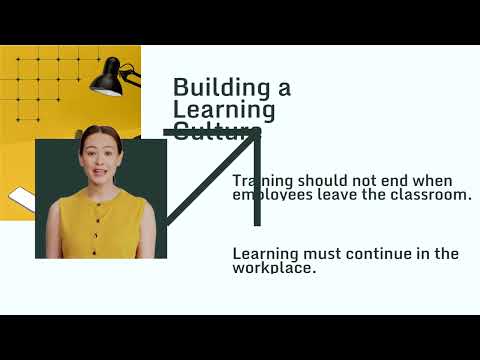
- Learning becomes part of daily work culture
Employees should not feel that training is just another “HR requirement.”
They should feel that the organization is genuinely investing in their future.
HR & L&D Have a Bigger Role Than Ever Before
The role of HR and Learning & Development is changing rapidly.
Today, HR professionals are no longer only administrators of training programs.
They are becoming:
- Workforce strategists
- Talent developers
- Capability builders
- Culture shapers
- Future-readiness partners
This requires a shift in mindset.
Instead of only asking:
“What training should we organize this year?”
Organizations should begin asking:
- What challenges are employees struggling with?
- What skills will be needed in the future?
- What capabilities are missing today?
- How can we help employees feel more confident and prepared?
- How can learning become continuous rather than occasional?
These questions create deeper and more meaningful workforce development strategies.
The Future of Training Is Human-Centered
In today’s world, employees are not just looking for courses.
They are looking for:
- Growth
- Purpose
- Confidence
- Relevance
- Support
- Opportunities to succeed
The organizations that thrive in the future will not necessarily be the ones conducting the most training.
They will be the organizations that truly understand their people.
Training should not simply fill calendars.
It should:
- Solve real problems
- Build practical capability
- Strengthen confidence
- Improve collaboration
- Prepare employees for change
- Help people grow professionally and personally
Because when employees feel that learning genuinely helps them become better at what they do, engagement naturally increases.
And when learning becomes meaningful, organizations become stronger from within.
A Final Thought for HR & L&D Leaders
Perhaps the most important reflection is this:
Employees do not want training for the sake of training.
They want learning that matters.
Learning that helps them perform better.
Learning that reduces uncertainty.
Learning that prepares them for the future.
Learning that shows the organization believes in their potential.
The “5 Why” approach reminds us that ineffective training is rarely caused by a single issue.
Very often, it is an invitation for organizations to think more deeply about:
- People
- Purpose
- Capability
- Leadership
- Culture
- Future readiness
And maybe the question is no longer:
“Did we conduct training?”
But instead:
#LearningAndDevelopment“Did we truly help our people grow?”
#FutureSkills
#FutureOfWork
#Upskilling
#Reskilling
#ContinuousLearning

Build Stronger Teams. Create Lasting Results.

Practical AI Workflows Every SME Can Implement in 30 Minutes

An Introduction To Coursesinc
Is Your Training Creating Real Business Impact?
How Managers Can Use ChatGPT Productively
Is Your Training Really Suitable for Your Staff?