
Video
The workplace is changing rapidly, and managers today are expected to do more than ever before. From handling meetings and reports to leading teams and making fast decisions, the pressure to stay productive is increasing across every industry.
This is where AI tools like ChatGPT can become a valuable workplace assistant.
Contrary to popular belief, ChatGPT is not about replacing managers. Instead, it helps managers work smarter by reducing repetitive tasks and allowing them to focus more on leadership, strategy, and people development.
For example, managers can use ChatGPT to draft professional emails, summarize meeting discussions, prepare reports, generate training ideas, or even brainstorm solutions during problem-solving sessions. Tasks that once took hours can now be completed much faster with proper AI support.
One of the biggest advantages is time efficiency. Many managers spend a large portion of their day handling administrative work. By using AI productively, they can reduce routine workload and focus more on coaching teams, improving productivity, and driving business growth.
However, AI should always be used responsibly. ChatGPT works best when combined with human judgment, experience, and critical thinking. Managers should avoid overdependence on AI and always review outputs carefully, especially when handling confidential or sensitive information.
The future workplace will increasingly involve collaboration between humans and AI. Managers who learn how to use tools like ChatGPT effectively may gain a strong advantage in communication, productivity, and decision-making.
In the end, productivity is no longer just about working harder. It is about working smarter, adapting faster, and learning continuously in an AI-driven world.
To learn more about AI workplace productivity and professional development, visit Coursesinc.com.

Build Stronger Teams. Create Lasting Results.

Practical AI Workflows Every SME Can Implement in 30 Minutes

An Introduction To Coursesinc
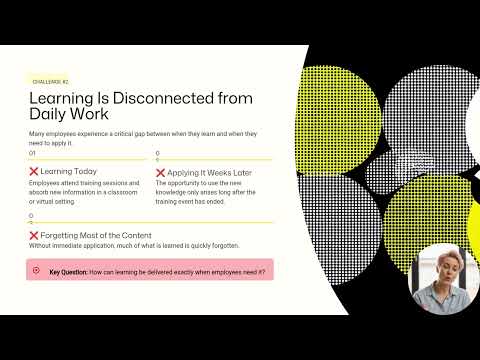
Is Your Training Creating Real Business Impact?
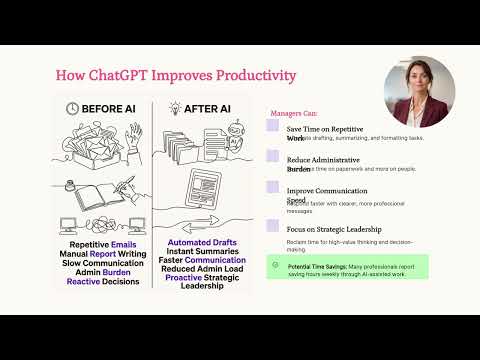
How Managers Can Use ChatGPT Productively
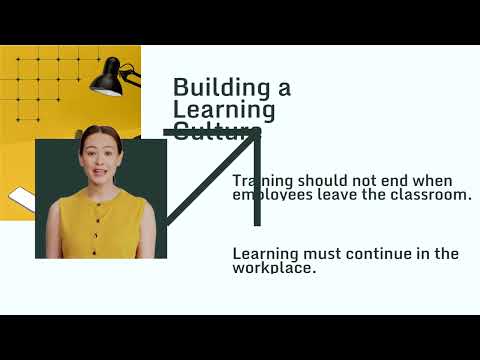
Is Your Training Really Suitable for Your Staff?