
Video
Continuous improvement is one of the most important success factors for organizations that want to remain competitive in today’s fast-changing business environment. Whether in manufacturing, services, education, healthcare, or technology industries, businesses that continuously improve their processes, people, and systems are better positioned for long-term growth and customer satisfaction.
Here are some practical continuous improvement tips for organizations:
1. Build a Continuous Improvement Culture
Improvement should not only come from management. Encourage employees at all levels to share ideas, identify problems, and participate in process improvements. Small improvements made consistently can create major long-term results.
2. Focus on Data and Facts
Use accurate data to identify trends, defects, customer complaints, and operational weaknesses. Data-driven decisions help organizations solve problems more effectively and reduce assumptions.
3. Encourage Problem-Solving Mindsets
Train employees to identify root causes instead of only fixing symptoms. Tools such as 5 Why Analysis, Fishbone Diagram, and PDCA (Plan-Do-Check-Act) can support systematic problem solving.
4. Improve Communication and Teamwork
Strong communication between departments helps reduce misunderstandings, delays, and operational inefficiencies. Collaboration often leads to faster and more effective improvements.
5. Use Technology and AI Wisely
Modern AI tools can help organizations automate repetitive tasks, analyze large datasets, monitor quality trends, and improve decision-making. However, technology should support — not replace — human judgement and process discipline.
6. Conduct Regular Training
Employees who continuously upgrade their knowledge and skills are more adaptable and capable of supporting organizational improvement initiatives.
7. Learn from Audits and Customer Feedback
Internal audits, external audits, and customer feedback provide valuable opportunities to identify improvement areas and strengthen business performance.
8. Celebrate Improvement Successes
Recognizing employee contributions and improvement achievements helps motivate teams and strengthen a positive improvement culture.
Continuous improvement is not a one-time project — it is an ongoing journey. Organizations that consistently improve their processes, people, and systems will be more resilient, efficient, and prepared for future business challenges.
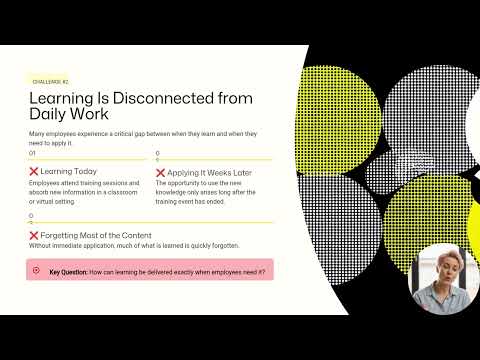
Is Your Training Creating Real Business Impact?
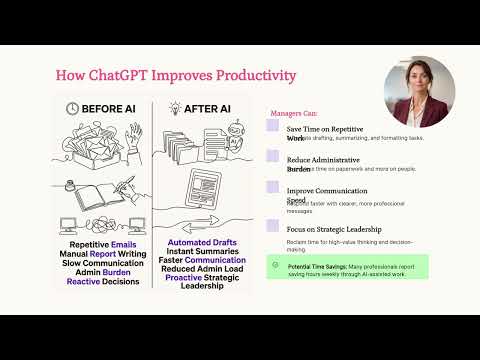
How Managers Can Use ChatGPT Productively
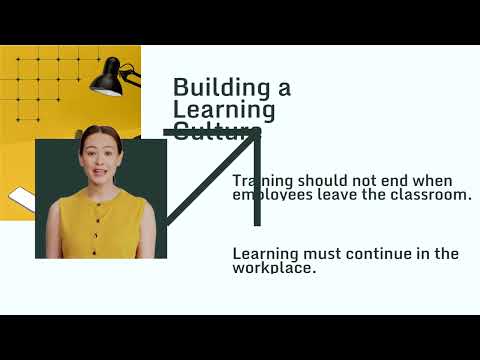
Is Your Training Really Suitable for Your Staff?
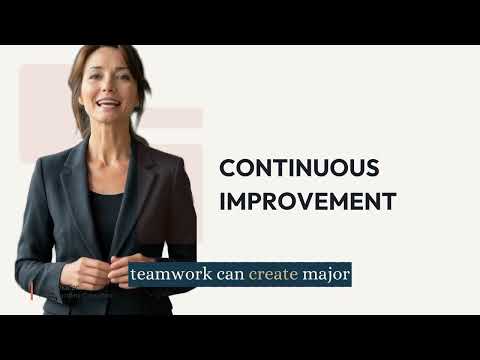
ISO TIPS

AI in the Workplace: Why Human Skills Matter More Than Ever

Continuous Improvement