
Video
.png)
Artificial Intelligence (AI) is no longer a futuristic concept found only in science fiction movies. Today, AI is transforming workplaces across industries — from manufacturing and healthcare to banking, education, logistics, customer service, and corporate management. Businesses around the world are rapidly adopting AI technologies to improve productivity, automate repetitive tasks, enhance decision-making, and remain competitive in an increasingly digital economy.
However, while AI continues to evolve, one important reality remains unchanged: people still matter.
The future workplace will not belong solely to machines. Instead, it will belong to professionals who can combine human intelligence, creativity, emotional understanding, and communication skills with AI-powered tools. Organizations that successfully integrate AI into their operations while developing their workforce capabilities will gain a significant advantage in the years ahead.
AI Is Changing the Nature of Work
Across many industries, employees are already experiencing the impact of AI in their daily work. Tasks that once required hours of manual effort can now be completed within minutes using AI-assisted platforms.
Examples include:
- AI chatbots handling customer inquiries
- Automated report generation
- Predictive analytics for business decisions
- AI-powered marketing campaigns
- Smart manufacturing systems
- Recruitment screening tools
- AI-generated presentations and content
- Workflow automation in offices
Tools such as ChatGPT, Google Gemini, Microsoft Copilot, and other generative AI platforms are helping organizations improve efficiency and productivity. Employees are increasingly expected to understand how these technologies work and how to use them effectively.
This shift is creating strong demand for professionals with practical AI knowledge and workplace-ready digital skills.
As a result, companies are investing heavily in AI Skills Training to prepare employees for the future of work.
AI Will Not Replace Everyone — But It Will Change Everyone’s Job
One of the biggest fears surrounding AI is job displacement. While automation may replace certain repetitive tasks, AI is more likely to reshape jobs rather than eliminate them entirely.
In reality, AI works best when combined with human capabilities.
For example:
- AI can generate data, but humans interpret meaning.
- AI can automate processes, but humans manage relationships.
- AI can draft content, but humans provide judgment and creativity.
- AI can suggest solutions, but humans make ethical decisions.
This means employees who learn how to work alongside AI will become more valuable in the workplace.
Professionals who resist digital transformation may struggle to remain competitive, while those who embrace continuous learning will discover new opportunities for growth and career advancement.
This is why organizations across Southeast Asia are increasingly exploring AI Training Singapore programs to equip employees with future-ready competencies.
The Growing Importance of AI Literacy
AI literacy is quickly becoming as important as computer literacy was decades ago.
Employees do not necessarily need to become software engineers or data scientists to benefit from AI. Instead, they need to understand:
- What AI can and cannot do
- How to use AI tools responsibly
- How to improve productivity using AI
- Ethical and security considerations
- AI-assisted communication and reporting
- Prompt engineering techniques
- AI collaboration in teams
Workers who possess these skills are better positioned to adapt to changing business environments.
Many companies are now introducing internal AI awareness programs and practical workshops to build employee confidence in using AI tools. These initiatives are helping organizations reduce resistance to technology adoption while improving workplace efficiency.
The rise of ChatGPT Training programs is a clear example of how businesses are prioritizing practical AI education for their teams.
AI and Human Skills Must Work Together
While technical AI knowledge is important, human-centered skills remain equally critical.
In fact, as AI handles more technical and repetitive work, uniquely human skills become even more valuable.
These include:
- Leadership
- Communication
- Emotional intelligence
- Critical thinking
- Creativity
- Problem-solving
- Adaptability
- Team collaboration
Organizations increasingly recognize that AI should support employees rather than replace them.
A successful AI-driven workplace is not one where humans become less important. Instead, it is one where employees can focus on higher-value tasks while AI assists with routine activities.
For example, managers can spend more time coaching employees instead of preparing repetitive reports. Sales professionals can focus on relationship-building while AI handles administrative work. Trainers can create more engaging learning experiences with AI-assisted content development.
This balanced approach allows businesses to improve efficiency without losing the human connection that drives innovation and trust.
Why Businesses Must Invest in AI Training
One major challenge many organizations face today is the AI skills gap.
While AI technology continues to advance rapidly, many employees lack the confidence or knowledge to use these tools effectively. Without proper training, businesses may struggle to maximize the value of AI investments.
This is why structured training programs are becoming essential.
Companies that invest in AI education can benefit from:
- Increased employee productivity
- Faster digital transformation
- Improved innovation
- Better decision-making
- Enhanced customer engagement
- Reduced operational inefficiencies
- Stronger workforce adaptability
Businesses in Singapore and Malaysia are increasingly seeking practical and industry-focused learning solutions to prepare their workforce for future demands.
As demand grows, professional development providers are expanding offerings related to AI Courses Malaysia and regional workplace AI capability programs.
The Role of Leadership in AI Adoption
Successful AI transformation requires strong leadership commitment.
Leaders play a crucial role in shaping organizational attitudes toward AI. Employees are more likely to embrace new technologies when leadership communicates clear goals, provides proper support, and encourages continuous learning.
Organizations should avoid creating a culture of fear around AI. Instead, leaders should position AI as a productivity tool that empowers employees.
Key leadership priorities include:
- Encouraging lifelong learning
- Supporting workforce reskilling
- Promoting ethical AI usage
- Creating open communication
- Providing practical AI exposure
- Building digital confidence
When employees feel supported during periods of technological change, organizations are more likely to achieve successful adoption outcomes.
AI in Southeast Asia’s Future Workforce
Southeast Asia is entering a major period of digital transformation.
Countries such as Singapore and Malaysia are investing heavily in AI innovation, digital economy initiatives, smart manufacturing, and future workforce development.
Businesses that prepare early will gain a stronger competitive advantage in this evolving environment.
Industries expected to see significant AI integration include:
- Manufacturing
- Healthcare
- Finance
- Education
- Logistics
- Customer service
- Human resources
- Marketing
- Professional services
As AI adoption accelerates, the demand for digitally skilled professionals will continue to rise.
Employees who develop AI capabilities today are positioning themselves for long-term career resilience.
Conclusion
AI is reshaping the workplace at an unprecedented pace. While technology will continue to evolve, human adaptability, communication, creativity, and leadership remain essential for organizational success.
The future workplace will not simply be about artificial intelligence. It will be about how humans and AI collaborate together to create smarter, more productive, and more innovative organizations.
Businesses that invest in workforce development today will be better prepared for tomorrow’s challenges.
Likewise, employees who embrace continuous learning and develop practical AI capabilities will remain valuable contributors in the modern digital economy.
As organizations across the region continue to prioritize digital transformation, programs related to AI Training Singapore, AI Courses Malaysia, AI Skills Training, and ChatGPT Training are expected to play an increasingly important role in shaping the workforce of the future.
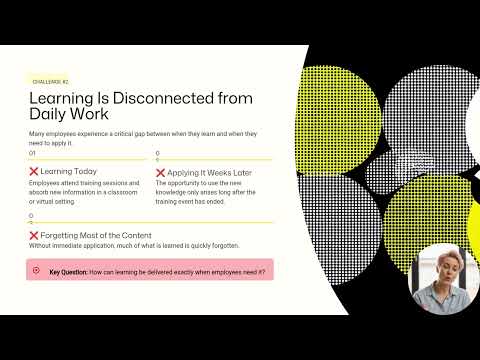
Is Your Training Creating Real Business Impact?
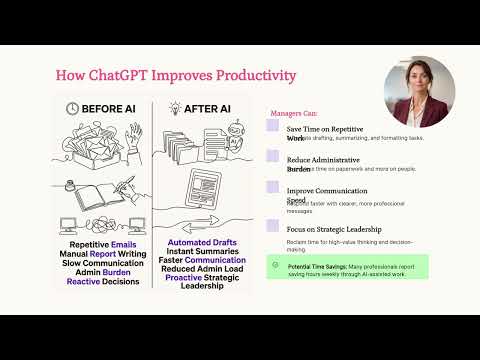
How Managers Can Use ChatGPT Productively
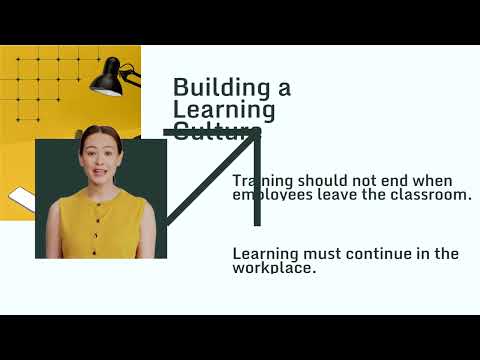
Is Your Training Really Suitable for Your Staff?
ISO TIPS

AI in the Workplace: Why Human Skills Matter More Than Ever

Continuous Improvement